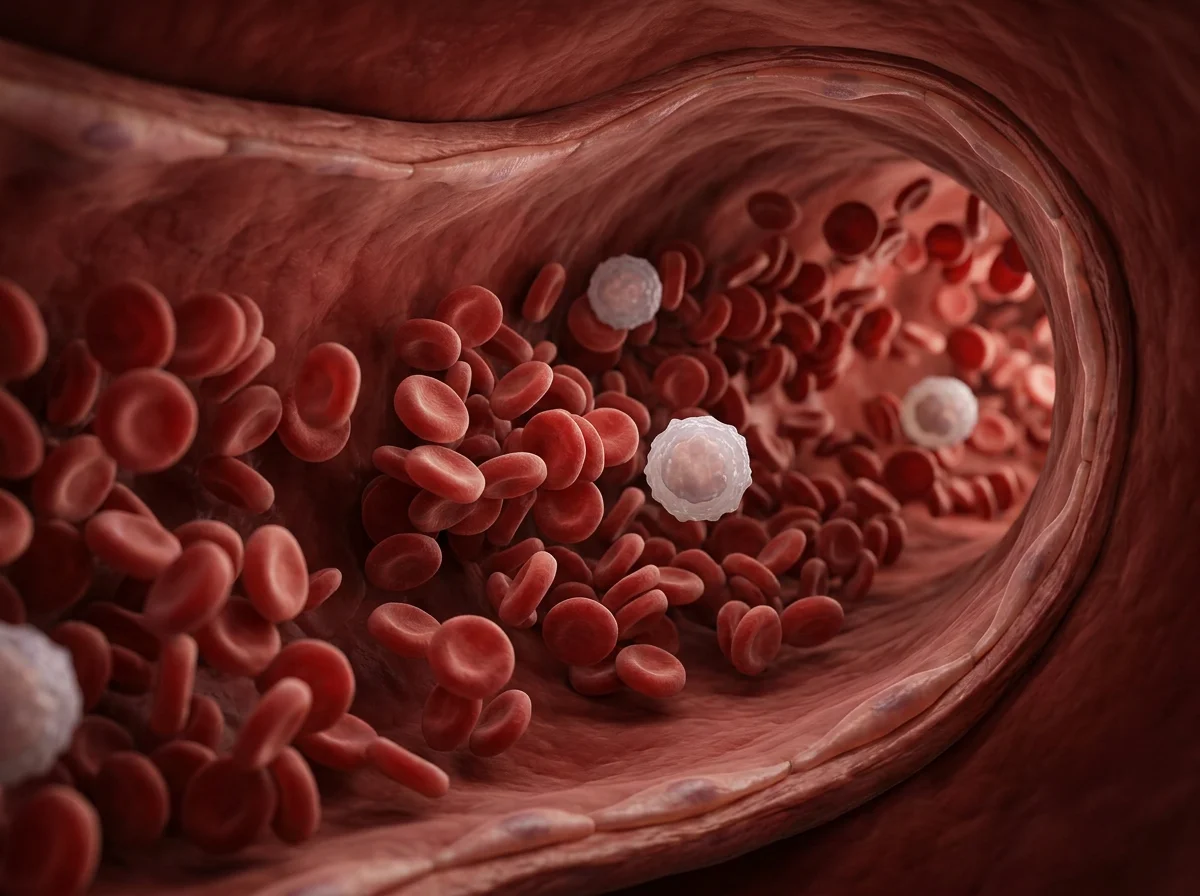
Building on clinical experience - Pioneering the future of in vivo CAR-T
The successful application of CAR-T cells in the treatment of hematologic malignancies has fundamentally changed cancer therapy. Looking ahead, there is a wide consensus in academia and industry that generating CAR-T cells in vivo represents the next evolutionary step for this drug modality. T-CURX aims to be at the forefront of this transition.
Building on our clinical autologous ex vivo CAR-T programs based on our non-viral transposon technology, we are rapidly establishing the data foundation to extend these innovative programs into novel in vivo CAR-T therapies and expand our pipeline further.
Our differentiated non-viral strategy combines durable CAR expression with the simplicity and scalability of generating CAR-T cells directly in the patient. Our innovation spans versatile integrating and non-integrating genetic payloads, their precise delivery to target cells in the patient’s body, and carefully selected antigen targets. Together, these complementary technologies provide a differentiated foundation for developing durable, non-viral in vivo CAR-T therapies for cancer patients.

Advancing Versatile
Non-viral Genetic Payloads
Conventional CAR-T therapies rely predominantly on viral vectors to deliver and integrate CAR-encoding genetic material into T cells. However, the complexity, cost, and limited scalability of viral vector manufacturing are driving the search for safer and more efficient alternatives.
T-CURX’s versatile non-viral platform can deliver different genetic payloads including minicircle DNA (mcDNA) and messenger RNA (mRNA), individually or in combination. Our proprietary Sleeping Beauty transposon mcDNA technology enables stable genomic integration of CAR-encoding DNA, supporting durable CAR expression for cancer indications. Delivery of mRNA payloads provides another complementary approach for transient CAR expression without genomic integration, more suitable, e.g. for autoimmune conditions, in which a transient reset of an autoimmune B cell compartment is desirable.
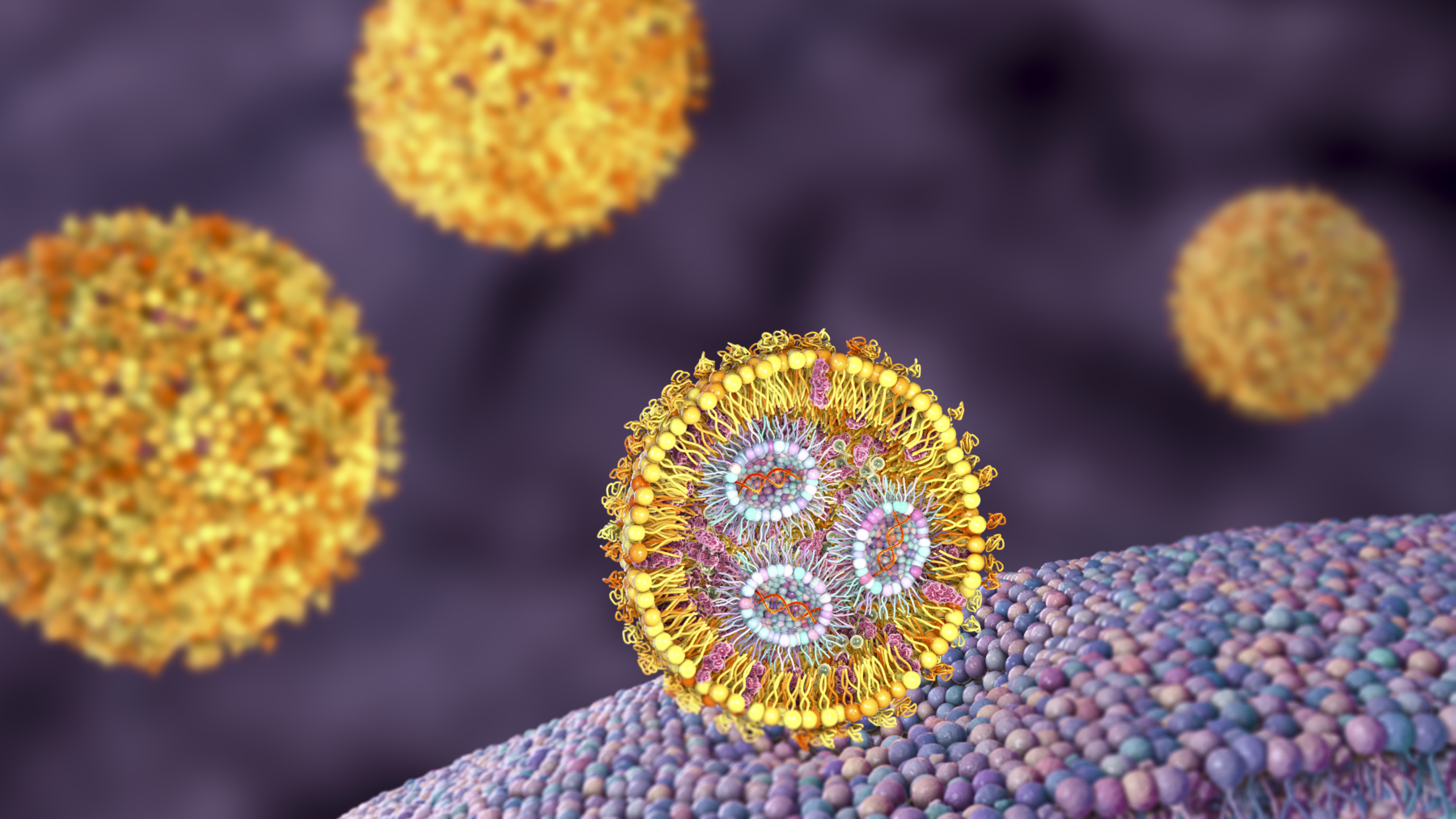
Engineering Precision: Our Targeted LNP Platform
Efficient and selective delivery of genetic payloads to T cells is a critical step in realizing the potential of in vivo CAR-T therapies. Lipid nanoparticles (LNPs) offer a versatile, non-viral delivery platform capable of encapsulating and protecting different nucleic acid payloads, including mRNA and DNA, while facilitating their cellular uptake and intracellular release.
T-CURX is also advancing novel LNP technologies designed for targeted delivery of genetic payloads to specific cell populations. By incorporating proprietary ionizable lipids, optimizing lipid compositions, and cell-targeting strategies, we aim to enhance delivery efficiency, cellular selectivity, safety, and intracellular payload availability.
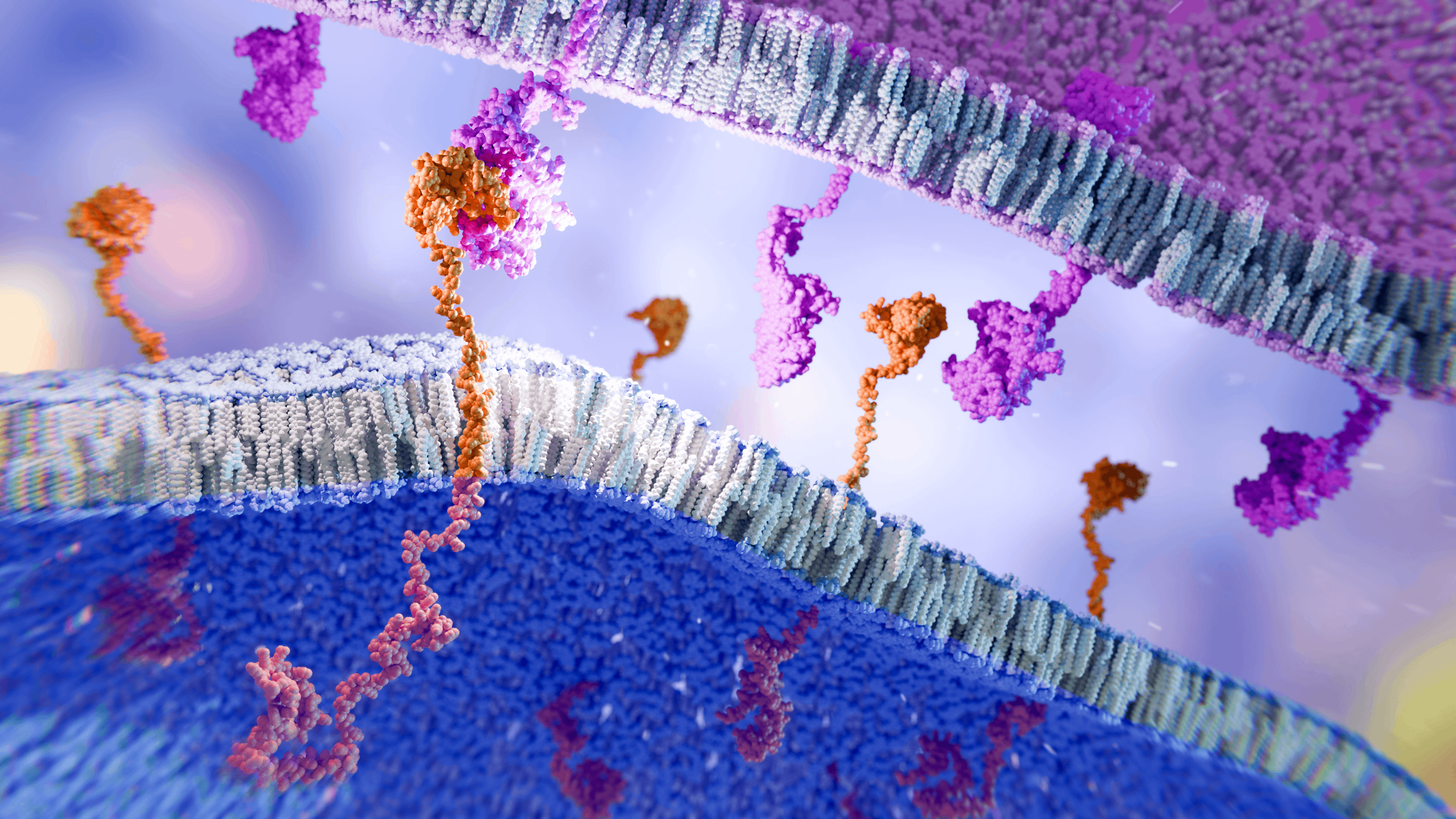
Bold target Choices, A Differentiated Pipeline
At T-CURX, we combine CAR-T engineering innovation with deep expertise in tumor biology and target selection to develop the next generation of CAR-T therapies — with the potential to address significant unmet needs in cancer treatment. Our target selection is guided by strong non-clinical validation and a thorough understanding of tumor-specific antigen expression, target accessibility, and potential on-target/off-tumor risks.
This approach underpins a pipeline of differentiated targets — from Siglec-6 in hematologic malignancies to novel antigens with relevance across multiple cancer indications, including solid tumors. Building on our scientific and clinical development expertise, we continue to explore novel targets and distinct mechanisms of action.
This knowledge anchors both our clinical-stage CAR-T programs and the expansion of our non-viral in vivo CAR-T pipeline.